CIBC EDA Sharepoint
Migrating accessibility content & validating it with users
type
Website Design
TEAM
2 Designers & 2 Accessibility Consultants
TIMELINE
Sept 2022 - Dec 2022
Stage
Shipped
OVERVIEW
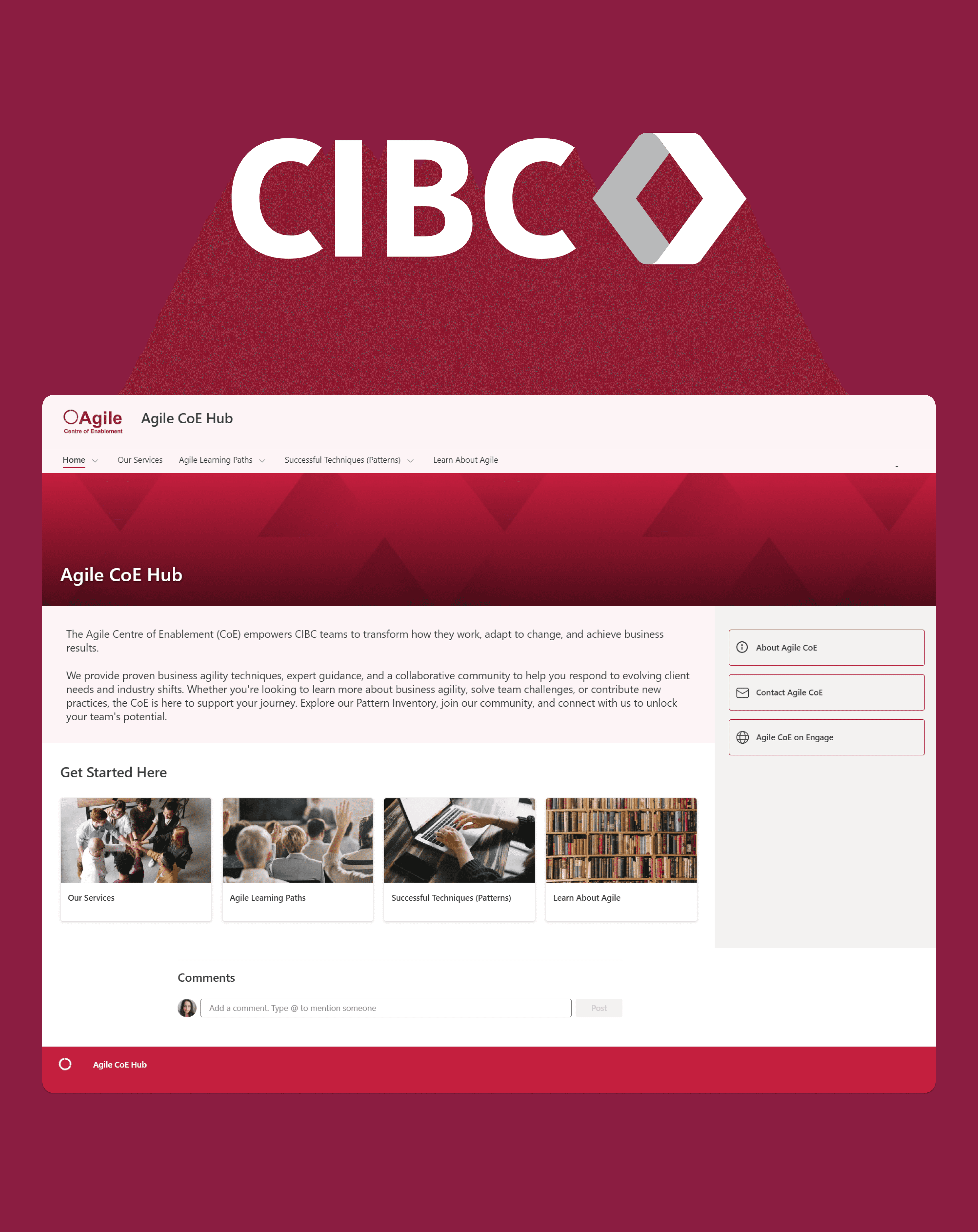
I worked on the Enterprise Digital Accessibility (EDA) SharePoint Hub which a centralized platform designed to help internal teams implement accessibility across design, development, QA, and content.
This project followed an initial redesign phase. After improvements were implemented based on prior findings, I led a new round of usability testing to evaluate how well the updated system performed in practice.
Due to NDA constraints, specific visuals and internal details are limited.
Role
Implemented design updates and led end-to-end usability testing
Designed research plan, moderated sessions, and structured tasks
Delivered actionable insights to inform next steps
The Challenge
The system had already been improved, but was it actually working?
Accessibility resources were centralized into one hub, yet uncertainty remained:
Could users navigate efficiently?
Did the structure match their expectations?
The Problem
A well-organized system doesn’t guarantee usability
Even with improved content and structure:
Users could still get lost in navigation
Labels could be misinterpreted
Finding information could require trial and error
Opportunity
Instead of assuming the redesign was successful, we had a chance to validate it
Instead of assuming the redesign was successful, this was an opportunity to validate how the system actually performed in real use. By observing how users navigated, interpreted labels, and searched for information, we could uncover where the experience broke down and where it worked, giving us clear direction for refinement based on real behaviour, not assumptions.
Process
Migration → Testing
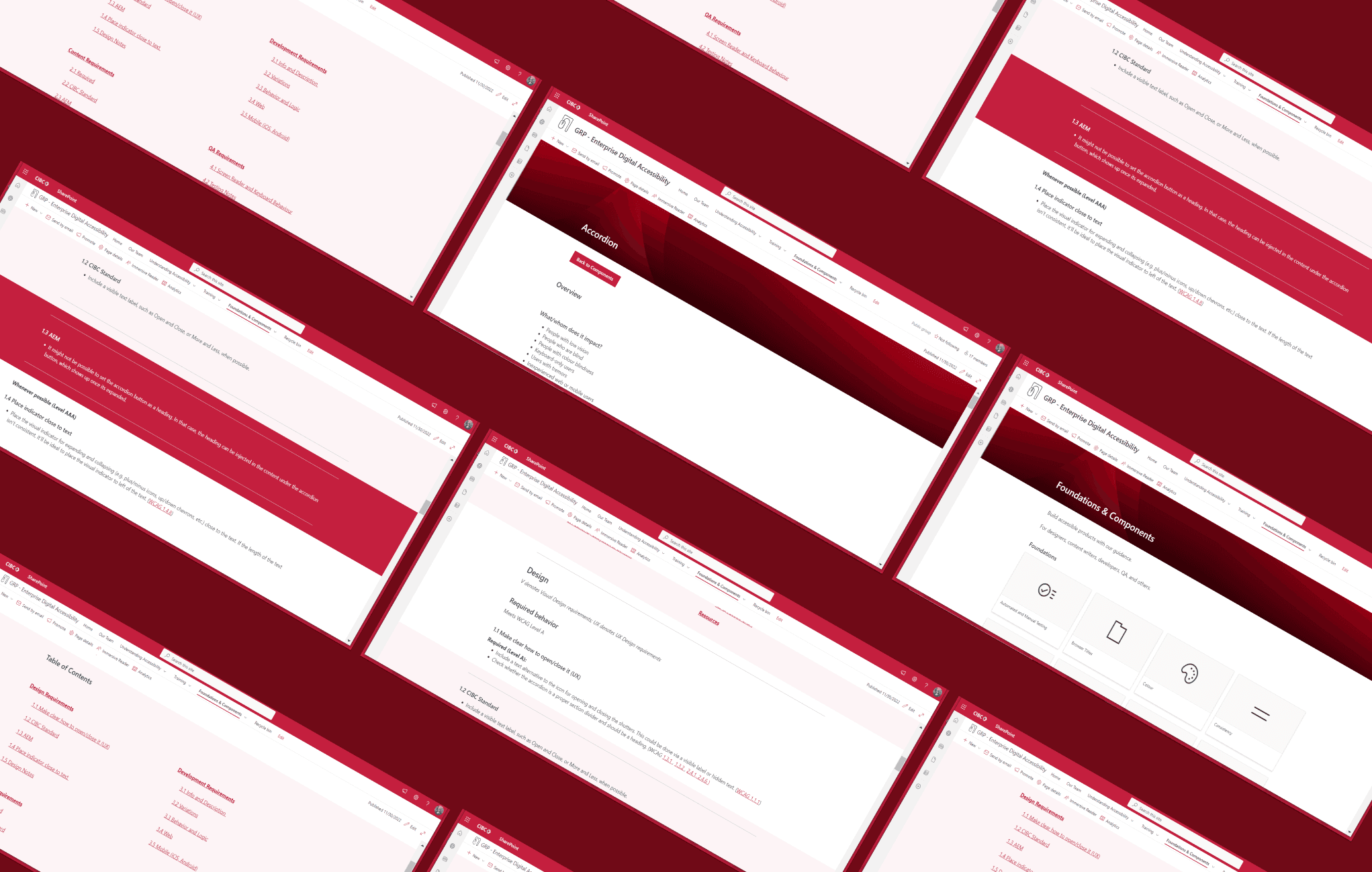
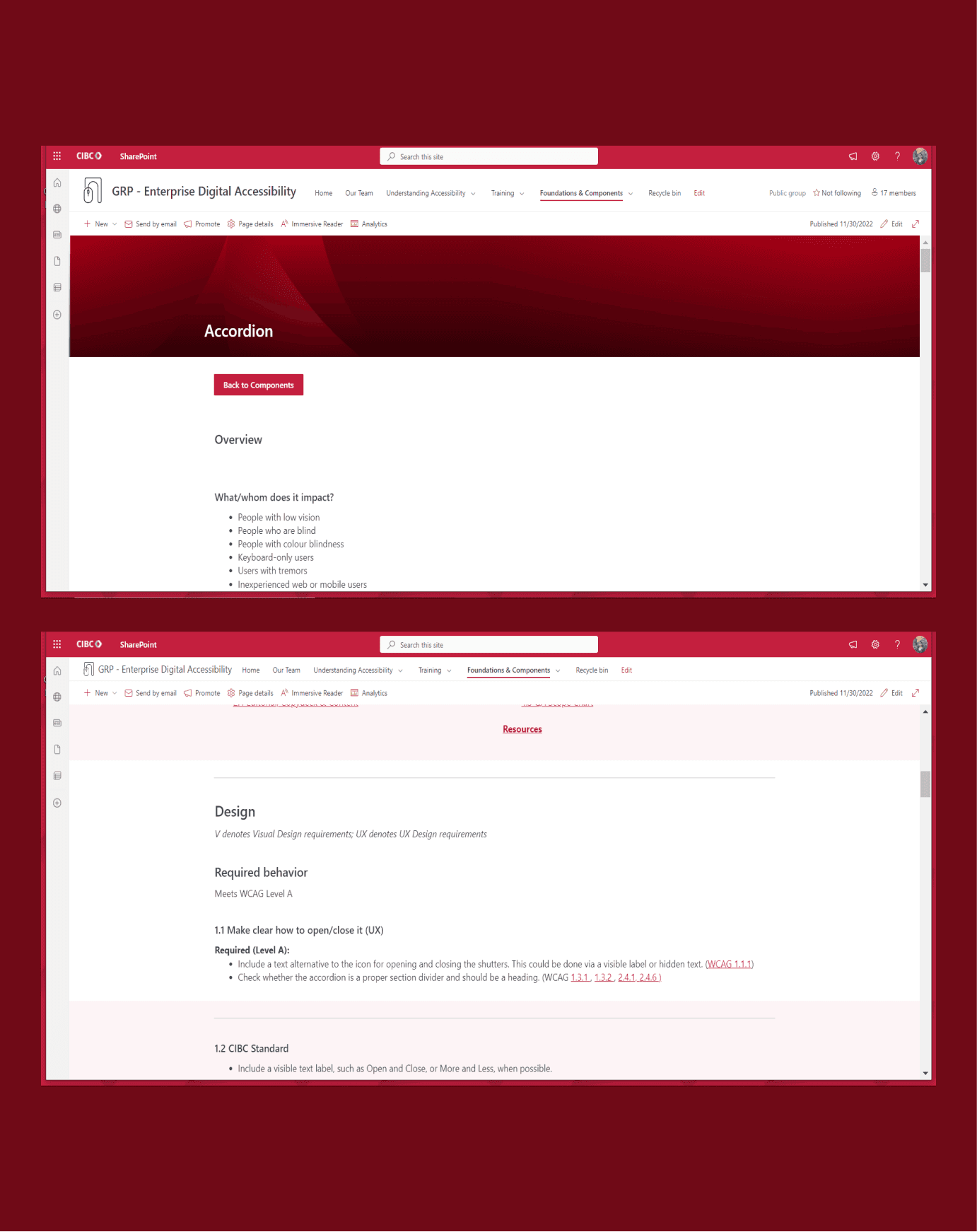
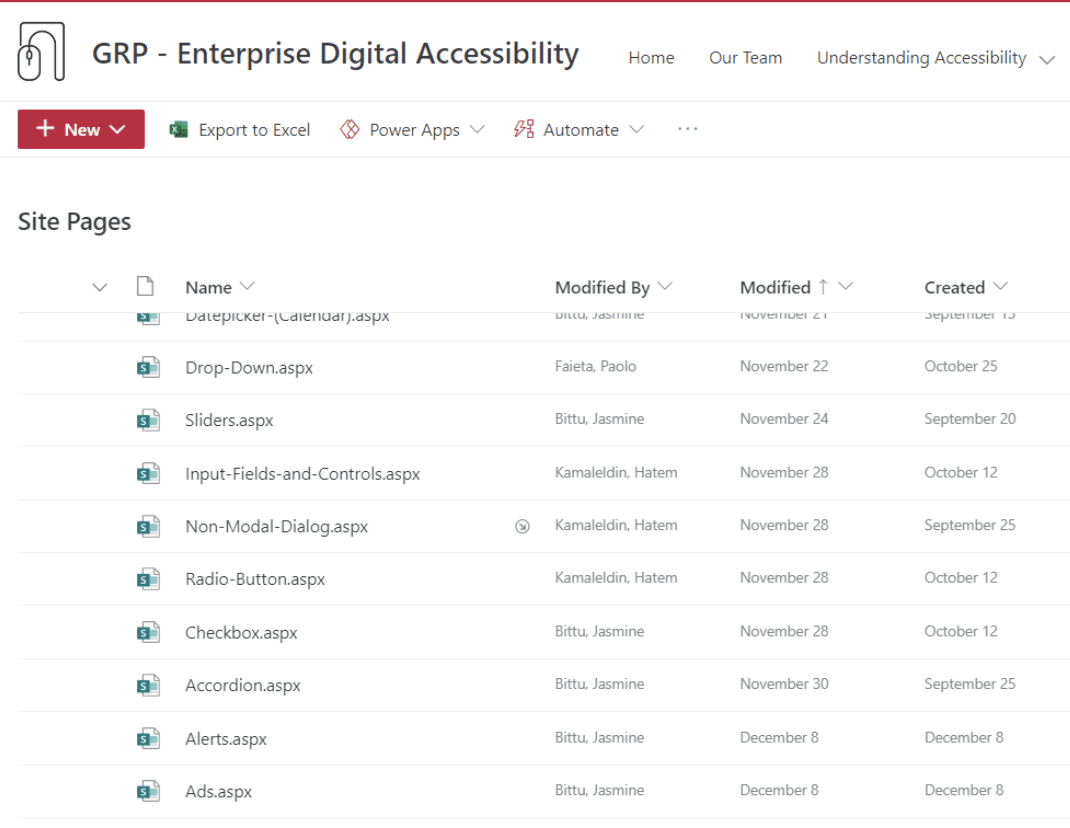
We began by migrating the Accessibility Hub from Confluence to SharePoint . Content was restructured, key components (like sliders and accordions) were prioritized, and accessibility improvements were implemented across pages.
This phase focused on improving how information was organized and presented.
Once these changes were in place, I led usability testing with over 16+ users on Teams, to evaluate how the updated system performed in real use. And rather than testing alongside the migration, this phase was intentionally done after to answer a critical question:
Did these improvements actually make the experience more intuitive?
What this looked like:
Stages
Migrate → Edit → Implement → Prepare & Research → Execute → Analyze
Research
Measuring through completion & behaviour
To evaluate the effectiveness of the updated Accessibility Hub, I designed a structured usability testing plan focused on both task success and user behavior.
The study aimed to understand:
How easily users could navigate between pages
Whether page categorization and naming aligned with user expectations
How quickly users could scan and locate relevant information
Participants:
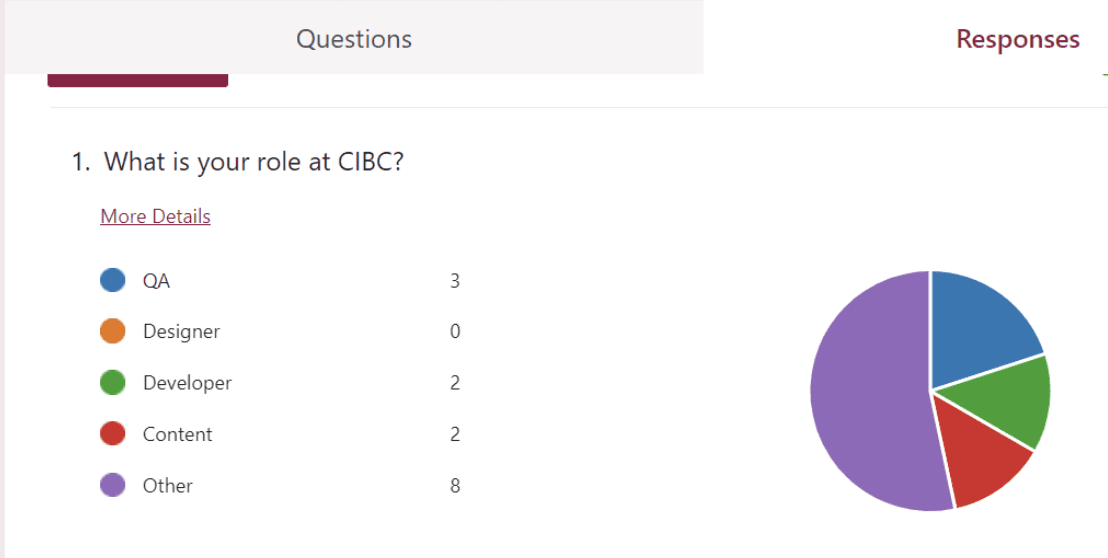
I recruited 16 participants across key user groups:
QA
Designers
Developers
Content
This ensured the system was evaluated from multiple perspectives, based on how each role interacts with accessibility resources.
Methodology:
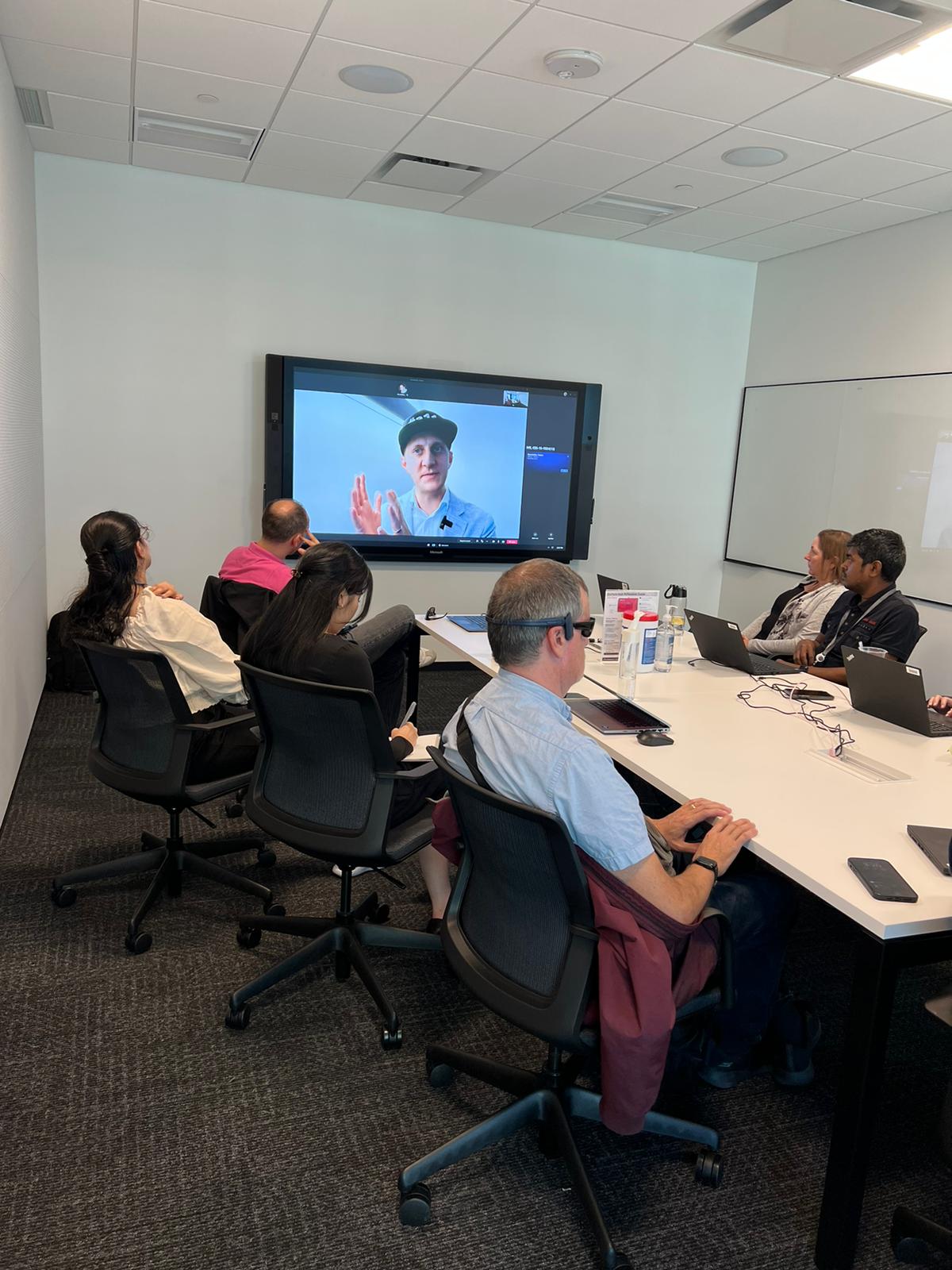
I conducted 30-minute moderated usability sessions using Microsoft Teams.
Each session included:
A short pre-survey to understand user background and familiarity with accessibility
Task-based scenarios tailored to the participant’s role
Screen and audio recording for observation
Post-test reflection questions to capture feedback and sentiment
I paid close attention to moments of hesitation, what users expected to find, and how they interpreted the system as they moved through it. Each session was treated as a conversation rather than a strict test, allowing deeper insight into their mental models.
Insights & Impact
“Once I kind of understood where to go…”
The study clarified where the experience was working and where it wasn’t. Instead of broad assumptions, we now had clear friction points, validated strengths and direction for future improvements.
Next Steps:
Based on the findings, the next steps would focus on refining the experience further:
Clarifying ambiguous terminology to better align with user mental models
Improving navigation predictability to reduce trial-and-error behaviour
Continuing iterative testing to validate future improvements
Reflection
It's more than just meeting standards
This project was my first time working closely with an accessibility team, and it was a really valuable learning experience. I had the opportunity to collaborate with accessibility consultants who supported me throughout the process, helping me deepen my understanding of how accessibility is applied in real-world systems.
Beyond usability testing, I was also able to contribute to other research and design activities, including persona creation, journey mapping, and additional testing initiatives. These experiences gave me a broader perspective on how accessibility fits into the larger product and user experience.