Genshin Impact Mobile
Improving early-game learnability in Genshin Impact
type
Mobile Design
TEAM
4 UX Designers
TIMELINE
Jan 2026 - March 2026
Stage
Case Study
OVERVIEW
Genshin Impact is an open-world action RPG where players explore the world of Teyvat, complete quests, and engage in combat to progress. The gameplay loop revolves around exploration, resource collection, combat, and upgrading characters to unlock new areas.
As a team of four, we conducted a usability study focused on the early-game experience, where players are first introduced to core mechanics.
For INF2164: UX Research and Design for Video Games
Role
Co-led research planning and study design
Conducted heuristic evaluation and affinity mapping
Moderated usability sessions using think-aloud protocol
The Problem
How might we make complex game systems feel intuitive for first-time players without taking away the challenge?
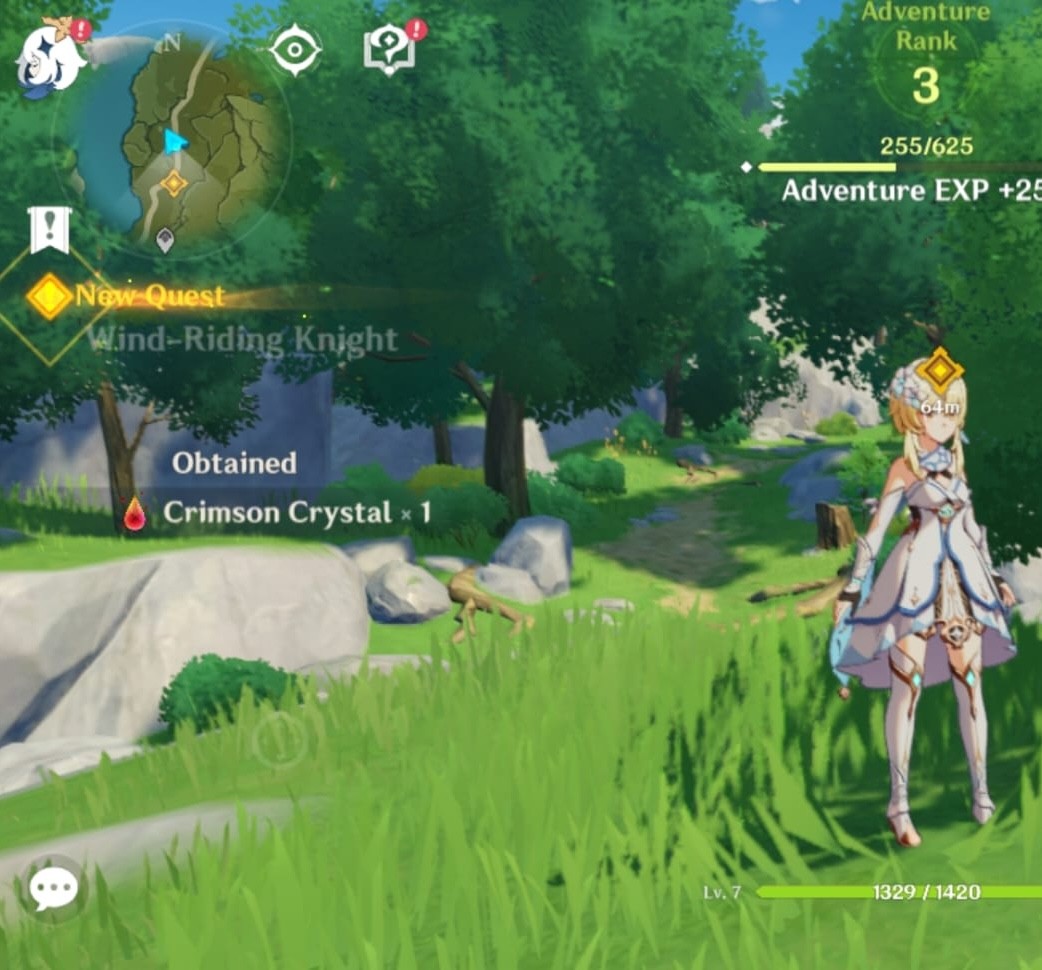
Our early analysis suggested that players may struggle with fundamental interactions such as navigation, quest progression, and combat mechanics.
These challenges were not always obvious at a surface level. Players were often able to recover and continue, but the experience required extra effort, leading to confusion, hesitation, and occasional frustration. This indicated a gap between system complexity and user understanding, particularly in early gameplay.
Process
What better way to understand player issues than watching them play
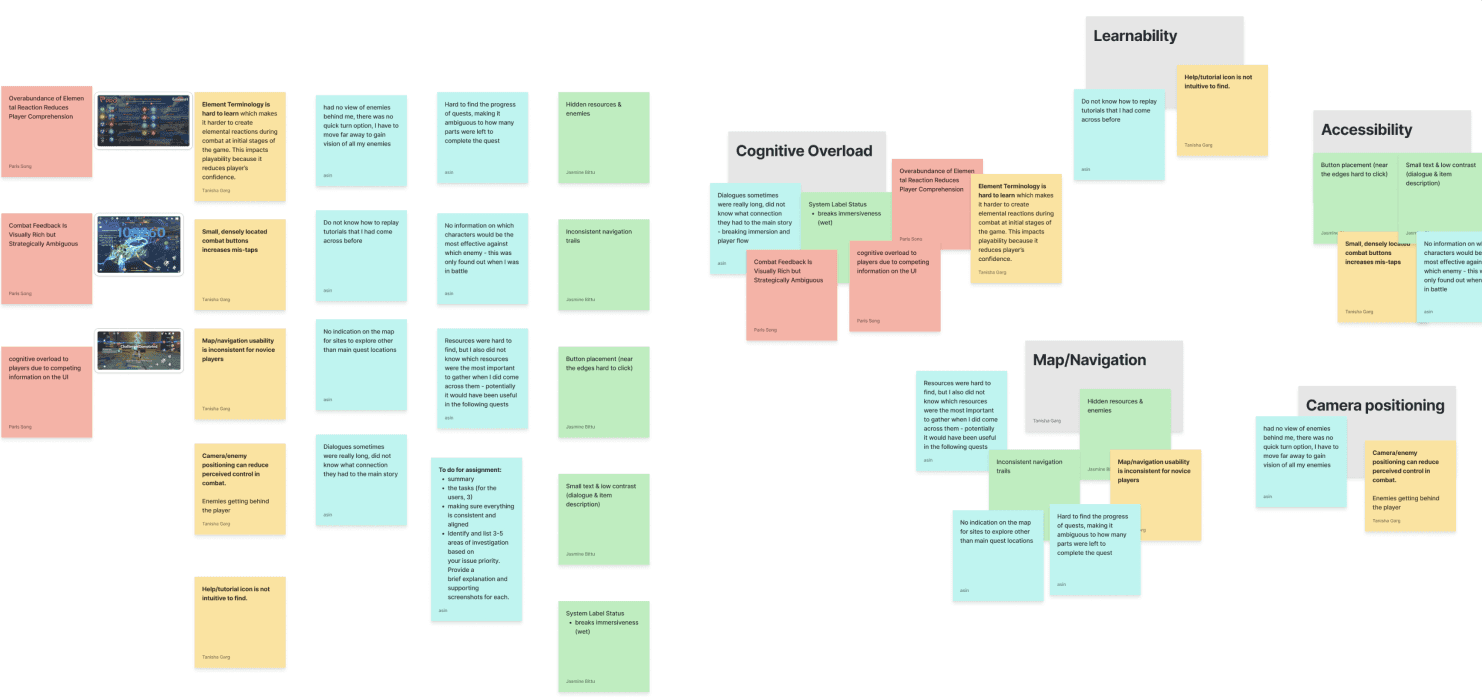
We began with a heuristic evaluation and affinity mapping to identify recurring usability concerns. These findings informed our research questions and shaped the usability study design.
We then conducted moderated usability testing sessions using a think-aloud protocol, followed by post-session interviews and surveys. Insights were synthesized through observation, issue prioritization, and thematic analysis, allowing us to move from raw behaviour to actionable design recommendations.
Research
Breaking down the experience into what players see, do, and understand
We focused on evaluating both usability and learnability across core gameplay systems.
Our research explored:
How players navigate the open world and locate objectives
Whether players struggle with quest wayfinding
How readable and understandable in-game text is
Whether players can grasp and apply combat mechanics
These questions helped us understand not just what players do, but how they interpret the game’s systems.
User Testing
Observing first-time players as they learn by doing
We recruited participants who had little to no prior experience with Genshin Impact to simulate a true first-time player experience.
Each session lasted approximately one hour and included:
Think-aloud gameplay sessions
Task-based interactions (navigation, combat, resource use)
Post-session interviews and surveys
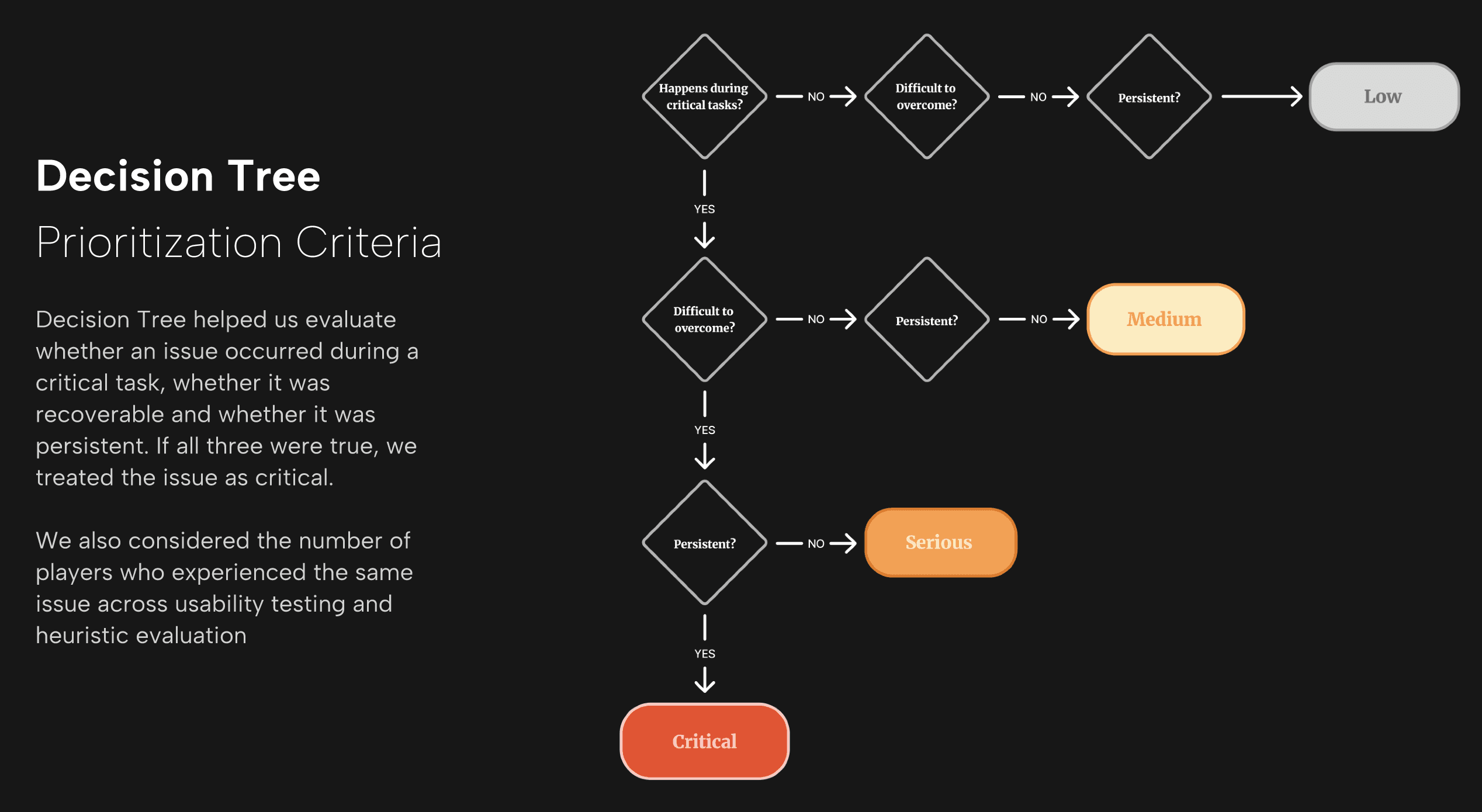
Participants were asked to complete core gameplay tasks that reflect the early-game experience. These included navigating to a quest destination, engaging in combat, and completing a resource-based task like cooking. We then used a decision tree to prioritize the findings from the user testing.
Key Findings
When guidance disappears, so does player confidence
Players relied heavily on visual navigation cues, such as quest markers, to reach their destination. However, when these indicators disappeared unexpectedly, both participants experienced confusion and uncertainty.
Challenge turned into overwhelm when clarity was missing
Early combat introduced multiple threats simultaneously, including enemies outside the player’s field of view. This created difficulty in tracking attacks and responding effectively.
Small confusion, quick recovery
The cooking mechanic introduced minor confusion due to unclear wording, but both participants were able to learn through interaction after a single failed attempt.
Design Recommendations
Supporting players without removing the challenge
Based on our findings, we proposed several design improvements focused on clarity and flow.
For navigation, we recommended reinforcing guidance through persistent visual cues and reintroducing support when players appear lost. For combat, we suggested improving threat visibility and gradually introducing complexity to avoid overwhelming players early on. For interactions like cooking, we proposed clearer instructions and stronger visual feedback.
Insights & Impact
Even with friction, players stayed engaged, but clarity would take it further
Despite usability challenges, both participants reported enjoying the game overall and did not experience strong negative emotions. They felt moderately competent, suggesting that while the systems are learnable, they are not always intuitive.
Reflection
Research isn’t just observing, it’s knowing when not to intervene
One of the most valuable learnings from this study was understanding the role of the moderator during usability testing. There were moments where participants struggled, and stepping in too early risked influencing their behavior.
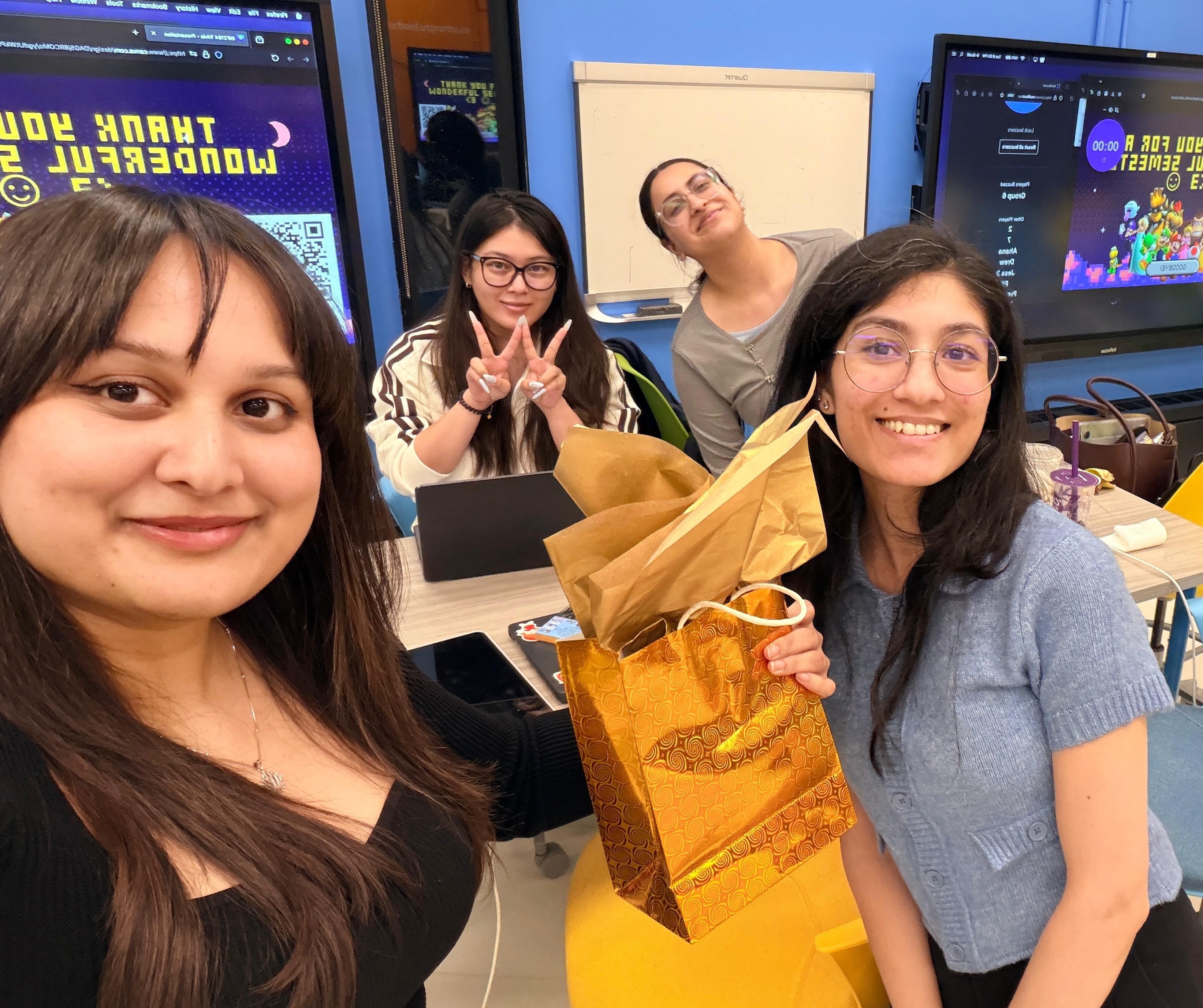
(Cue photo of our team winning 1st place from the game design trivia 😃)